Over the last 48 hours, the escalation of conflict between Iran and the US / Israel has become exponentially tense. And until yesterday evening, Starmer’s deliberate lack of involvement evoked mainly peace across the British political spectrum, however, his announcement permitting US troops to use British bases for defensive purposes has caused controversy and debatably uproar domestically and abroad.
Zarah Sultana, a previous Labour MP and now a founding member of ‘Your Party’ expressed her distain at the prime minister in parliament today, branding him ‘Trump’s poodle’ and stating that this war we have entered is ‘illegal’. But what does ‘illegal’ really mean in terms of war?
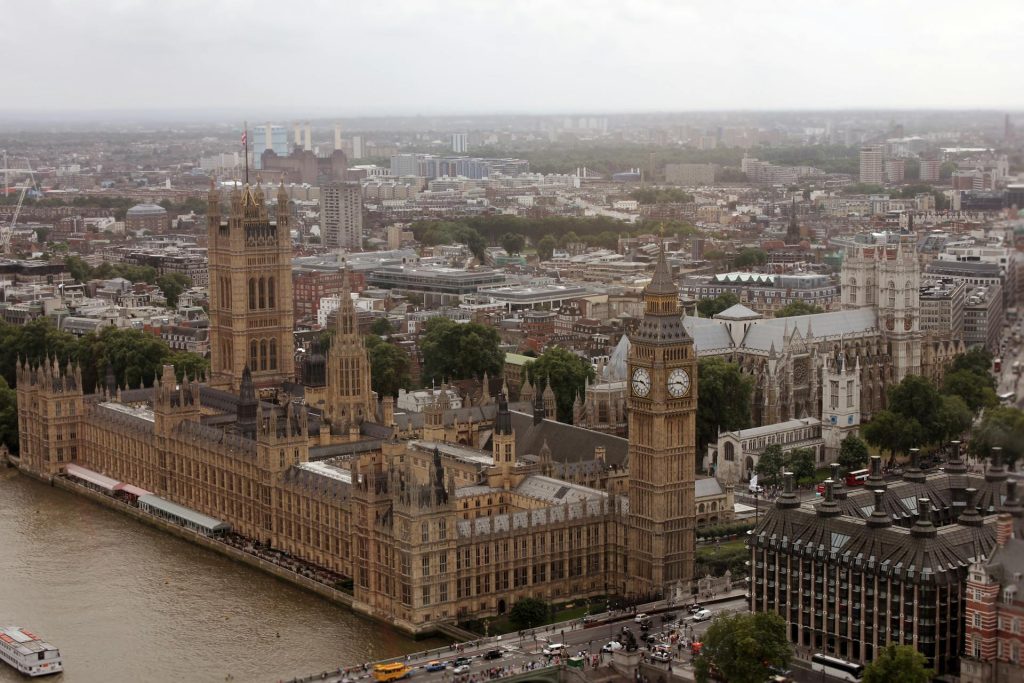
Historically, war with other nations has involved the prime minister and their cabinet making the decisions they seemed necessary regarding entering Britain into a state of war, as exampled by the Second World War, the Korean War and the Falklands War, however in the last few decades, military actions and declarations of war have become more legitimised due to an alteration in parliamentary convention mandating approval for substantial military intervention and operations consequently making war slightly more democratic (if we are considering MPs and not the general population). But does the true legality of war come from its reliance on representative democracy? If we take public opinion into account, one of largest scale protests in British history was in opposition to the Iraq war, with an estimated 1-2 million marching the streets of the capital a month before members of parliament ignored these demands and the invasion of Iraq passed in the commons.
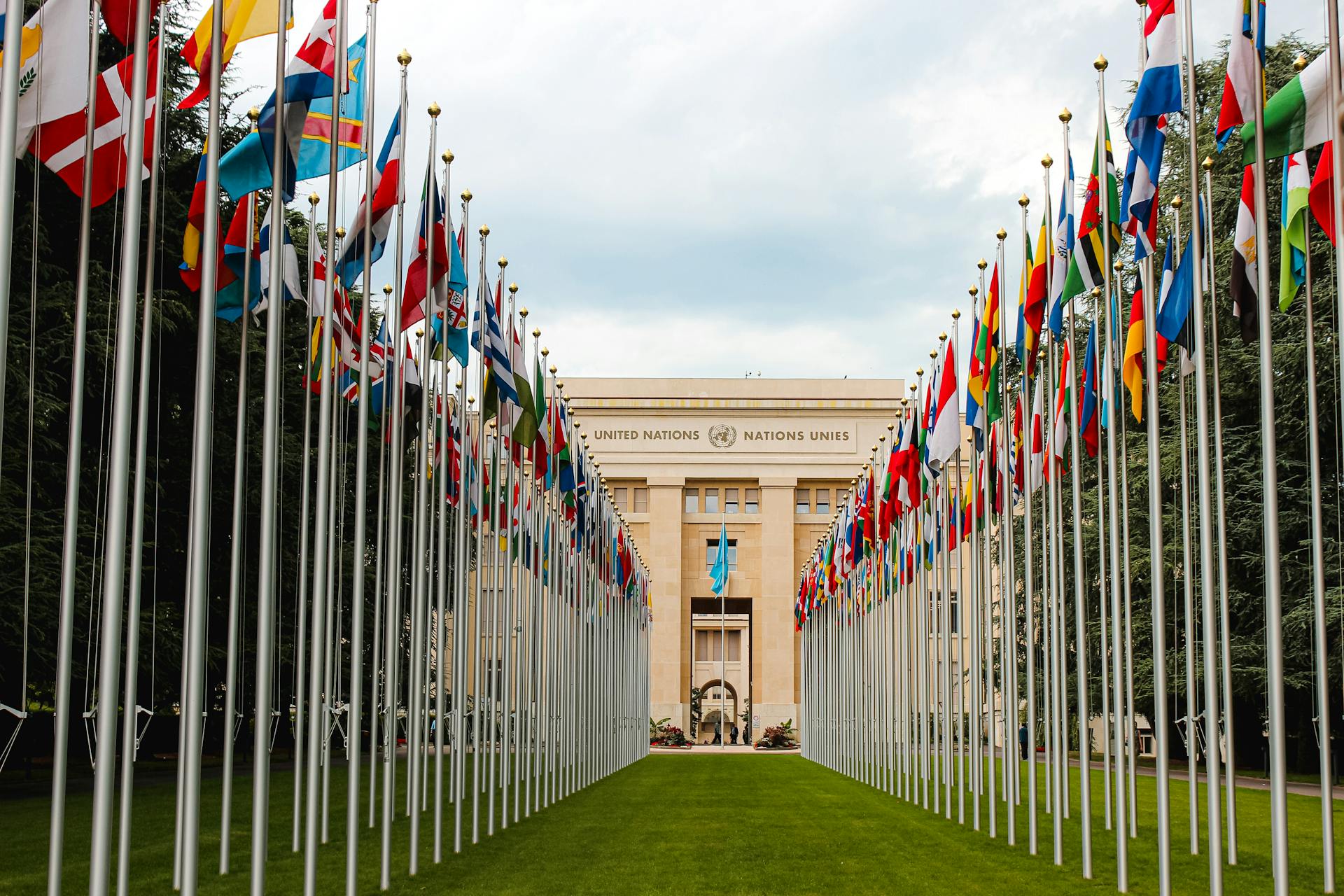
Internationally, the legality of war relies upon the United Nations and the clearance of the Security Council, which usually within their declarations include the phrase ‘by all necessary means’. Alternatively, the universal acceptance of a country responding to another’s military action in self defense.
In the case of Iran, their ongoing development of nuclear weapons has been a constant cause of concern to the west. The treaty of Nuclear non-proliferation (1970) only allows the five permanent members of the UN Security Council (USA, UK, France, China and the Russian Federation) to have nuclear weapons and therefore prohibits owning or development of nuclear weapons in order to stop the spread of them while they can. Despite Iran not adhering to the treaty, they aren’t alone as several other countries including Israel, North Korea, India and Pakistan also own nuclear warheads.
Regarding Britain’s involvement as of the last 24 hours, currently our actions have been legal. Our allowance for US troops to utilise our bases has been strongly outlined as for defensive purposes only from Starmer. The Harold Wilson approach it seemed he was going to take at the very beginning of the conflict was going to be difficult, rattling the current Trump administration exampled by Trump having already complained his actions were too late, in comparison to if there would have been a Harris administration. The simple action of helping out one of our strongest international allies has now involved us in this conflict, regardless of the British populations consensus and as we have learnt many times before, war is a completely unstable and unpredictable event and in the event the US sees fit to take advantage of our gesture, things could quickly hurdle into illegal territory.